


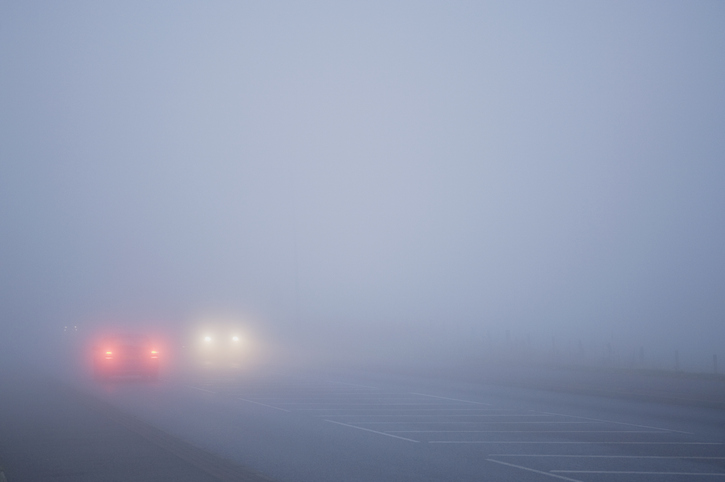
Driving in Austin, Texas, can be unpredictable. Whether it’s a dense morning fog rolling over the Hill Country or a sudden downpour reducing visibility during rush hour on I-35, low-visibility weather is a common challenge for drivers. These conditions significantly increase the risk of accidents, and when collisions happen, determining fault can become a complex puzzle.
If you’ve been involved in a weather-related car accident, you may feel uncertain about how to prove who was at fault.
Why Low Visibility Leads to Accidents
Low visibility occurs when drivers can’t see the road, other vehicles, or potential hazards as clearly as they would under normal conditions. Common causes include:
1. Fog
A thick layer of fog can make it virtually impossible to see what’s ahead. Brake lights might appear too late, leading to rear-end collisions.
2. Rain
Heavy rain can obscure sightlines and create a glare, particularly at night when headlights reflect off wet surfaces. Rain-soaked roads also increase stopping distances, making it harder to avoid sudden obstacles.
3. Dust Storms
While less common in Austin than in parts of West Texas, high winds mixed with dust can drastically limit visibility on highways.
4. Early Morning or Evening Glare
Low sun angles during sunrise and sunset can temporarily blind drivers, increasing the likelihood of head-on or side-swipe collisions.
These weather conditions often contribute to chain-reaction accidents or multi-car pileups, especially on busy roadways like Mopac Expressway.
The Challenges of Proving Fault in Low-Visibility Accidents
Determining fault is rarely straightforward when weather conditions play a role in a crash. Here’s why:
1. Shared Responsibility
Texas follows a modified comparative fault rule, which allows multiple parties to share blame for an accident. For instance, if two drivers collide in heavy fog, both could be partially at fault—for not slowing down or keeping a safe following distance. Understanding how these rules work is key. If you’re found to be more than 50% at fault, you won’t be able to recover compensation for your damages under Texas law.
2. Weather as a Factor, Not an Excuse
Drivers often point to adverse weather as the primary cause of an accident, but this defense doesn't hold up in many cases. Texas law assumes that drivers should adjust their actions based on road conditions. For example:
- Driving too fast for the weather,
- Not using headlights in foggy conditions,
- Or failing to maintain their lane during heavy rain.
- These behaviors are seen as negligence, even if the weather made driving more difficult.
3. Lack of Witnesses in Isolated Areas
Accidents on less-traveled roads, like those near Lake Travis or along RM 620, may lack impartial eyewitnesses, making it harder to corroborate claims about what caused the crash.
4. Disputed Evidence
Low visibility can make it hard to determine how the accident occurred. For example:
- Were brake lights visible in time?
- Was a turn signal used?
- Dashcam footage or intersection cameras might not adequately capture the sequence of events due to poor lighting or weather conditions.
How Evidence Can Strengthen Your Case
Although proving fault in low-visibility accidents is difficult, gathering strong evidence can significantly improve your chances of a favorable claim. Start with these steps:
1. Document the Scene
Photos and videos provide a visual record of conditions at the time of the crash. Capture as much as you can, including:
- Damage to vehicles
- Skid marks
- Weather conditions, like fog or standing water
- Remember to safely document from a distance if the accident occurred on a busy highway.
2. Collect Witness Testimonies
If anyone witnessed the crash, collect their contact information and statements. Neutral witnesses can provide crucial perspectives, especially in disputes about who was at fault.
3. Request Police Reports
A responding officer’s assessment of the scene often includes their observations about weather conditions, vehicle damage, and any violations. For example, a report might note if one driver was cited for speeding or tailgating, even in thick fog.
4. Leverage Technology
Dashcams can be your best ally in these situations. Even if visibility was limited, footage from a dashcam may show other factors, like erratic driving or road condition hazards, that contributed to the collision.
5. Consult with Experts
Accident reconstruction specialists can analyze the scene and recreate what happened. They examine evidence like vehicle positions, weather data, and skid marks to shed light on the sequence of events. An attorney skilled in personal injury cases can connect you with these experts.
Liability in Multi-Car Collisions
Low-visibility weather increases the chances of multi-car accidents, making assigning responsibility even more complicated. For example, imagine this scenario on I-35 during heavy fog:
- Car A rear-ends Car B.
- Car C, unable to stop in time, hits Car A.
Who’s at fault? Liability often depends on several factors, such as:
- Was Car A tailgating Car B?
- Was Car C driving too fast for the conditions?
- Were any drivers distracted, such as using phones instead of watching the road?
A thorough investigation is critical in cases like these, as each driver’s actions need to be evaluated independently.
Compensation for Weather-Related Accident Victims
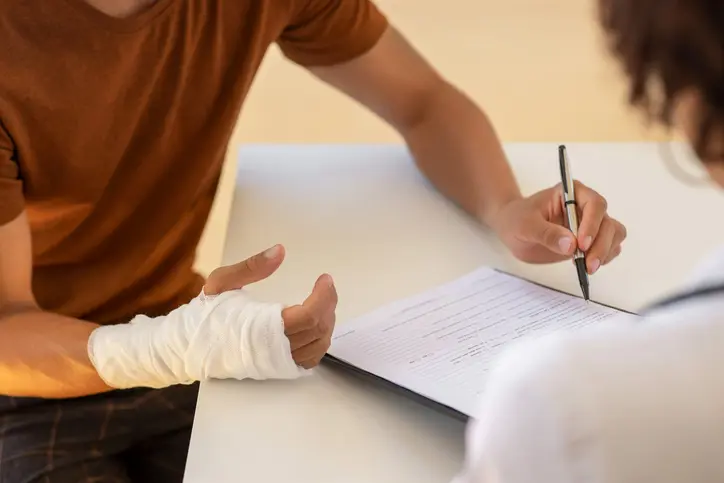
If you’ve been injured in a low-visibility accident, you may be entitled to compensation for damages, including:
- Medical Costs: From ER visits to ongoing rehabilitation.
- Lost Income: If injuries prevent you from returning to work.
- Pain and Suffering: Addressing the emotional toll of the injury.
- Property Damage: Repair or replacement of your vehicle.
Keep in mind that insurance companies may attempt to argue that poor weather—not negligence—is the primary cause of the accident, possibly reducing your settlement offer. This is why partnering with an experienced personal injury attorney is so important.
Why Partner with a Local Attorney in Austin?
Navigating Texas’s comparative fault system requires both legal expertise and local knowledge. A personal injury attorney based in Austin understands the specific challenges of our roads, like limited visibility conditions common along highways and waterways. They’ll also know how to handle local insurance companies and courts for the best possible outcome.
Knowledge of Austin-Specific Issues
Austin’s rapid growth has led to busier freeways and an increase in out-of-town drivers unfamiliar with local weather conditions. Your attorney’s insight into these dynamics provides a distinct advantage.
Austin Car Accident Attorney
By understanding the intricacies of low-visibility weather accidents, you arm yourself with the knowledge needed to effectively deal with legal and insurance challenges. If you find yourself embroiled in a low-visibility accident in Austin, TX, consider reaching out to Briggle & Polan, PLLC. Our team can help you navigate the complexities of proving fault and securing the right compensation. Contact us today at (512) 400-3278to benefit from our expertise and experience.


.jpg.2601221351516.webp)

