

Walking across a parking lot, through a shopping center, or along a privately owned property should not put someone in danger simply because the area is difficult to see. Yet poor lighting can create a serious hazard, particularly after sunset. A pedestrian may fail to see a vehicle approaching, miss an unexpected change in elevation, or encounter another dangerous condition that would have been visible if the property were adequately illuminated.
When poor lighting contributes to an injury in Austin, the question is not necessarily whether the lack of lighting directly caused the injury. The larger issue may be whether the property owner or another responsible party failed to reasonably address a condition that created an unreasonable risk of harm.
Texas premises liability law can be complicated, and whether an injured pedestrian has a claim depends on the specific circumstances.
When Can Poor Lighting Become a Premises Liability Issue?
Property owners are not automatically responsible for every injury that happens on their property. A person generally needs to establish the legal elements required for a premises liability claim, which can include showing that a dangerous condition existed, that the responsible party knew or should have known about it, and that reasonable care was not taken to address the danger.
Lighting can be part of that analysis when darkness or inadequate illumination makes another hazardous condition harder to recognize.
For example, imagine a pedestrian walking through a privately owned parking area after dark. A damaged portion of pavement, an unmarked drop-off, an obstruction, or another dangerous condition may be difficult to see due to several burned-out lights. If the pedestrian is injured after encountering that condition, the lighting issue could become relevant to determining whether the property was reasonably safe.
The condition does not necessarily have to be dramatic. What matters is how the circumstances affected the risk faced by people using the property.
Who May Be Responsible?
The property owner may be one potential source of liability, but it is not always the only one.
Depending on the property and circumstances, responsibility could potentially involve a business operating on the premises, a property management company, a maintenance contractor, or another party responsible for maintaining lighting or addressing hazardous conditions.
That makes identifying who controlled the property and who was responsible for maintaining it particularly important.
An injured pedestrian may know that an area was dark, but may not know who was supposed to replace a burned-out light, repair a damaged fixture, inspect the property, or respond to previous complaints.
Those details can require investigation.
What If the Pedestrian Were Hit by a Vehicle?
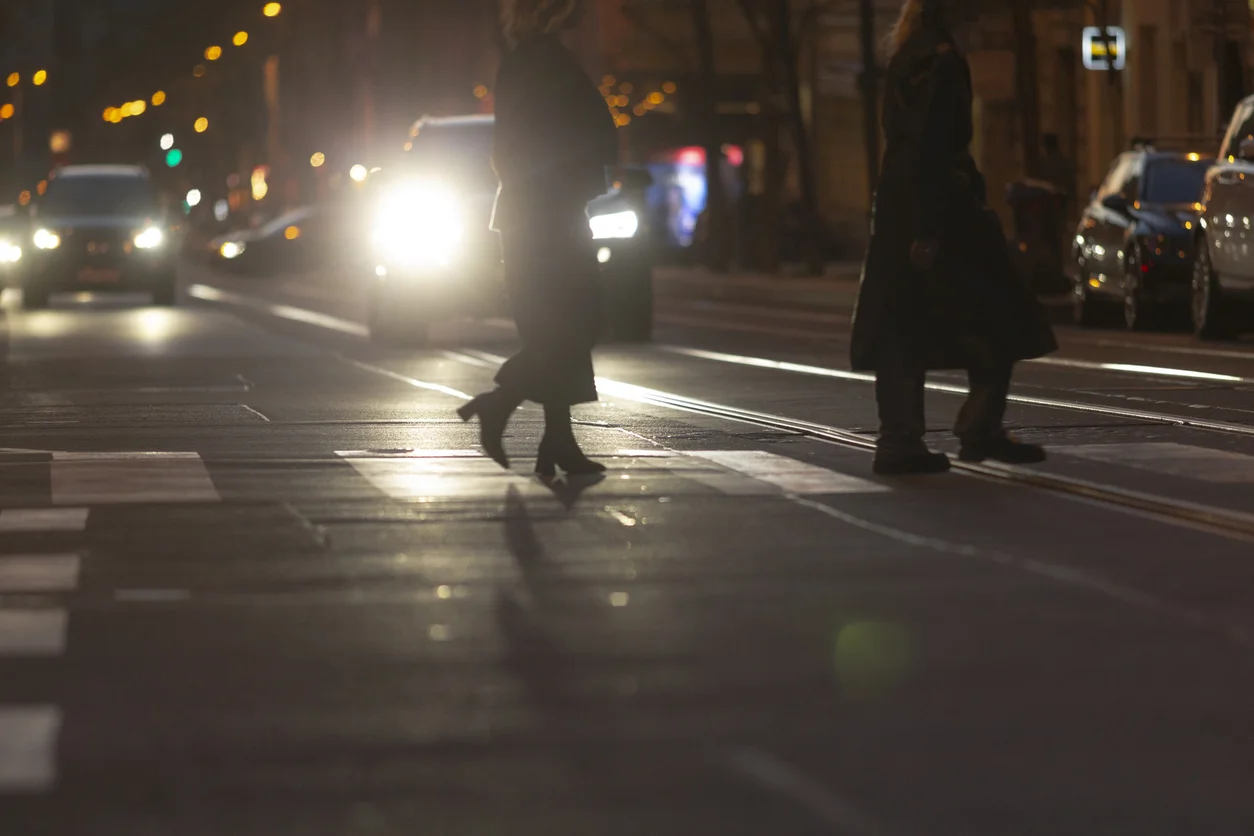
Poor lighting can also become important when a pedestrian is struck by a vehicle on or around private property.
A driver may argue that the pedestrian was difficult to see. The property owner may argue that the crash was entirely the driver’s responsibility. Depending on the circumstances, more than one factor may have contributed to the injury.
For example, inadequate lighting could have reduced visibility for both the pedestrian and driver. There may also have been issues involving the property’s layout, signage, parking configuration, obstructions, or other conditions.
Texas follows comparative responsibility rules, meaning an injured person’s own conduct can be considered in a personal injury case. That does not automatically eliminate a claim. Instead, the facts surrounding the incident need to be carefully examined.
Evidence Can Matter in a Lighting-Related Injury
Lighting conditions can change quickly. After an injury, a property may be repaired, a broken fixture may be replaced, or additional lights may be installed.
That is one reason documentation can be important.
Photographs and videos can help establish what the area looked like around the time of the incident. Witness statements may provide information about how dark the area was or whether the lighting problem had existed before. Maintenance records, inspection records, incident reports, surveillance footage, and prior complaints may also help establish what the property owner or another responsible party knew.
The location itself can also matter. A parking lot, sidewalk, apartment complex, shopping center, hotel, restaurant, or other property may present different circumstances.
An investigation should focus on the conditions that existed when the injury occurred rather than relying solely on what the property looks like afterward.
Serious Injuries Can Change the Stakes
A pedestrian injury can range from a relatively short-term injury to a catastrophic event involving surgery, extended rehabilitation, a traumatic brain injury, spinal cord damage, or permanent limitations.
When an injury changes someone’s ability to work, care for family, or live independently, the financial consequences can extend far beyond the first medical bill.
A personal injury claim may involve medical expenses, lost income, physical pain, emotional suffering, and other losses, depending on the circumstances and applicable law.
That is why it is important not to assume that a claim is worthless simply because the circumstances are complicated or another person is also being blamed.
How an Austin Premises Liability Attorney Can Help
Determining whether poor lighting contributed to a pedestrian injury requires more than simply asking whether an area was dark. The important questions may include who controlled the property, what condition existed, whether the condition created an unreasonable risk, whether someone knew or should have known about it, and whether reasonable measures could have reduced the danger.
Briggle & Polan, PLLC handles serious personal injury cases and understands that important evidence may need to be identified and preserved quickly. If you were injured because of unsafe conditions on someone else’s property, you do not have to determine the legal issues alone.
Contact Briggle & Polan, PLLC at (512) 400-3278 for a free consultation. The firm is prepared to investigate what happened, identify potentially responsible parties, and fight for the recovery you may be entitled to pursue.